Not every duct problem is urgent. A minor leak or a slightly uneven room can usually wait for a scheduled inspection without any harm done. A smaller number of situations, though, call for prompt attention, because they affect safety, indoor air quality, or the basic function of the home's heating and cooling system. Knowing the difference helps you respond appropriately instead of either panicking over a minor issue or waiting too long on a serious one.
A Section Has Collapsed or Come Completely Apart
Flexible duct sags, crushes, and sometimes collapses outright, usually after stored boxes have pressed on it in an attic or crawl space, or after a connection at the plenum lets go. A section that is disconnected or flattened, rather than leaking at a seam, delivers close to nothing to the room it serves. The open end also pulls attic dust, loose insulation, and unconditioned air straight into the system, which is the kind of failure air duct repair is meant to catch early.
No Airflow From Multiple Vents at Once
A single weak vent is often a localized issue. Little to no airflow from several vents at the same time points to a bigger problem, possibly a major disconnection or blockage closer to the trunk line, which affects the whole system rather than one branch. This kind of widespread airflow loss is worth addressing quickly, particularly during extreme summer heat or winter cold.
Sudden Pest or Rodent Activity Inside the Ducts
Scratching or scurrying sounds coming from inside the ductwork, or a sudden strong odor when the system runs, can point to pests that have found their way inside through a gap or opening. This affects indoor air quality directly, since anything inside the duct travels through the home every time the system runs, which makes it a situation worth addressing sooner rather than later.
Water Damage or Visible Mold Near Ductwork
Water stains, standing moisture, or visible mold on or around ductwork, usually after a roof leak, a plumbing failure, or heavy condensation on a cold supply run, calls for prompt attention. The EPA advises against running an HVAC system you believe is contaminated, because the blower carries whatever is growing in the duct to every room on the circuit. Mold treatment and removal deals with the growth, but the moisture that fed it has to be found and stopped first, and wet material should be dried within 24 to 48 hours.
Burning or Unusual Smells Coming From the Vents
Any burning smell that starts when the system starts should be treated seriously and checked before the equipment runs again. A musty or unusually strong odor coming from the vents deserves the same prompt look, particularly if it is new and did not fade after the first few minutes of a cycle.
How These Signs Differ From Routine Wear
Routine wear, like a slowly developing leak or a small amount of dust buildup, tends to affect comfort gradually over weeks or months. The signs described here are different because they either appeared suddenly, involve a safety concern like mold or a burning smell, or affect a large portion of the home's airflow all at once. That combination of speed and scope is what separates an emergency from a normal item on a maintenance list.
What Happens During an Evaluation
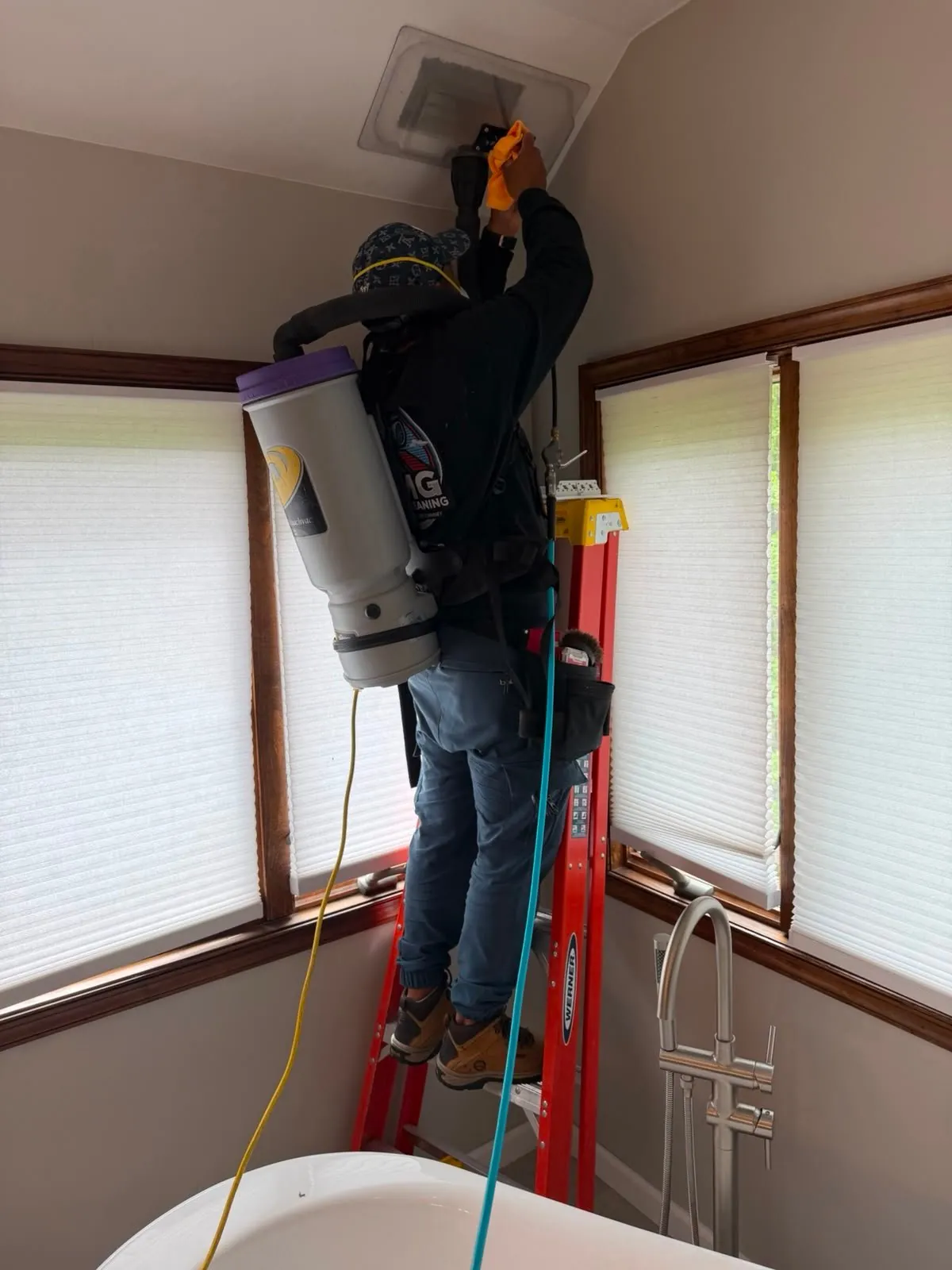
A technician responding to one of these signs walks the full accessible run of the ductwork, not only the spot where the problem was first noticed. A failure in one area often sits next to a weakness that has not given way yet: a second sagging strap, a plenum joint pulling open, a length of insulation already soaked. Seeing the whole run is what turns a recommendation into something grounded in what was found rather than a guess made at the register.
Why Timing Matters More During Extreme Weather
A duct problem that would otherwise be a minor inconvenience becomes more serious during the hottest stretch of a New Jersey summer or the coldest weeks of winter, when a home depends most heavily on its system working properly. A collapsed section or major airflow loss during those stretches can leave part of a home significantly less comfortable, and in some cases less safe, than it would during milder weather, which is part of why the same issue can be more urgent depending on when it happens.
What to Do When You Notice These Signs
The useful question is not how dramatic a duct problem looks, but how fast it is spreading. A leak that has been there for two winters can wait for a scheduled visit. A collapsed branch, a wet plenum, or an odor that arrives with the blower is changing something in the house while you decide. Shut the system down for the ones that involve smoke, water, or mold, leave it alone for the rest, and have air duct repair look at the whole run before the next stretch of hard weather in Essex County or anywhere else in New Jersey.