Ductwork is hidden behind walls, above ceilings, and inside attics, so a leak rarely presents itself directly. Instead, it shows up in the way a home feels and behaves day to day. Learning the common signs helps you catch a leak before it turns into a bigger comfort or air quality issue.
Uneven Temperatures From Room to Room
One of the clearest signs of a leaky duct is a home where some rooms feel noticeably warmer or cooler than others, even though the thermostat says otherwise. When air escapes through a leak before it ever reaches the vent, the room at the end of that run gets less conditioned air than it should, however hard the system is working.
A System That Runs Longer Than It Used To
If your furnace or air conditioner seems to run in longer cycles, or more often, than it did in the past, without any change in the weather or your habits, a duct leak is worth ruling out. Escaping air means the system has to run longer to deliver the same amount of comfort, which tends to show up gradually as higher energy use over time.
Visible Damage at Joints and Connections
If you can access your attic, basement, or crawl space, look at the places where sections of ductwork join together. Gaps, torn or peeling tape, disconnected sections, or sagging flexible duct are all visible signs of a leak or a connection that has failed. These spots are also the easiest for a technician to identify and seal once they are found.
Dust Building Up Faster Than Expected
A leak in a return duct running through an attic, crawl space, or wall cavity can pull unfiltered, dusty air into the system before it ever reaches the filter. If you notice dust resettling around vents soon after cleaning, or more dust in the home in general than seems reasonable, a leak on the return side of the system is a common cause.
Whistling or Hissing Sounds Near Vents or Ductwork
A hissing or faint whistling sound near a vent, or from behind a wall where ductwork runs, is often air escaping through a small gap under pressure. It is easy to dismiss as background noise, but it is one of the more direct clues that a leak exists somewhere along that run.
How a Leak Can Feel Different Across the Seasons
The same leak can show up differently depending on the time of year. In summer, a leaking supply run often means a room stays warmer than the rest of the house despite the air conditioner running steadily. In winter, that same leak tends to show up as a room that stays noticeably cooler, since warm air is escaping before it ever reaches the vent. If a room's comfort problem seems to flip between seasons rather than staying consistent, a duct leak feeding that room is a reasonable explanation worth considering.
Rooms Near Attics or Above Garages Often Show It First
Rooms located directly below an attic, or above an unheated garage, tend to reveal a duct leak sooner than rooms in the middle of a house. Ductwork serving these spaces often has the longest run through the least stable temperature conditions, so any leak along the way has more distance and more temperature swing to work against before the air ever reaches the vent. If one particular room in your home has always felt a little off compared to the rest, checking the duct run that feeds it is a reasonable place to start.
Why New Jersey Homes Are Especially Prone to Leaks
Many New Jersey homes have ductwork running through attics that swing between summer heat and winter cold, which stresses seals and connections more than a stable indoor environment would. Older housing stock in towns like Trenton, Paterson, and Newark often has ductwork that has been in place for decades, sometimes altered during past renovations, which adds more joints and more opportunities for a leak to develop over time.
Getting an Accurate Diagnosis
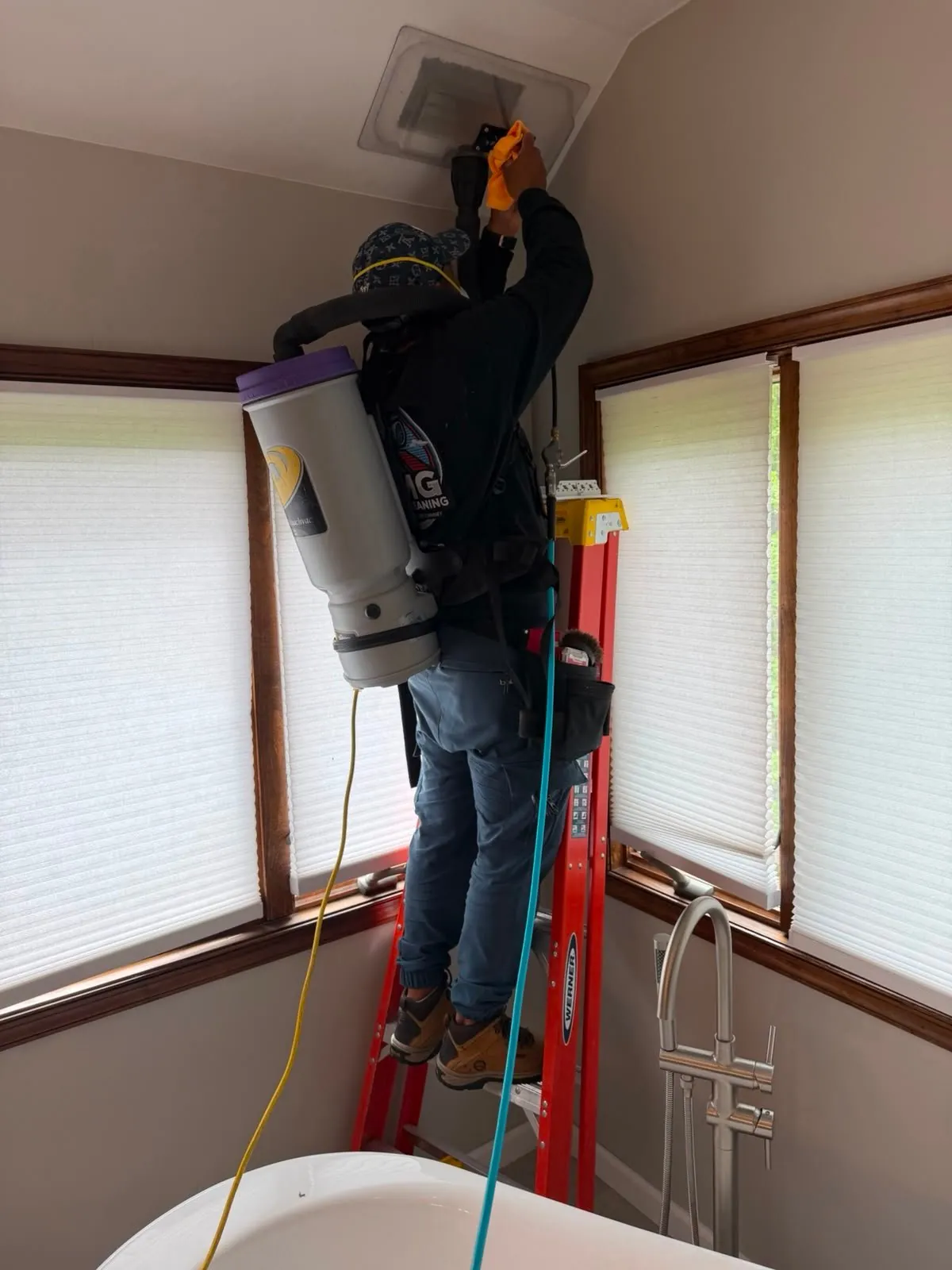
Because most ductwork sits out of view, finding every leak takes an inspection of the full run rather than a guess made standing at a register. Start with the room that has always felt wrong, then trace the branch that feeds it back toward the trunk line. AMG's air duct repair seals what that walk turns up, mastic on irregular seams and rated foil tape on straight joints, and reads airflow at the vents on that run before the crew packs up in Paterson, Trenton, or anywhere else in the state.