Homeowners looking into air duct cleaning want one thing first: a straight answer about what the job involves for their house. No two homes are alike, and a short list of real factors decides how big the work is, from the size of the duct system to how easily a technician can reach it. Knowing those factors makes the conversation with any company you call a shorter one, and it explains why a walkthrough of your own system tells you more than a figure quoted over the phone.
The size of the home and its duct system
A small ranch with a handful of supply and return lines is a different job from a large colonial with multiple zones, extra registers, and a long run of trunk line. More supply and return branches mean more sections to inspect, agitate, and clear one at a time, and a larger house carries more square footage of duct to more rooms. This is the first thing a technician counts during an inspection, because it sets both the hours on site and the equipment setup that makes sense.
How reachable the ductwork is
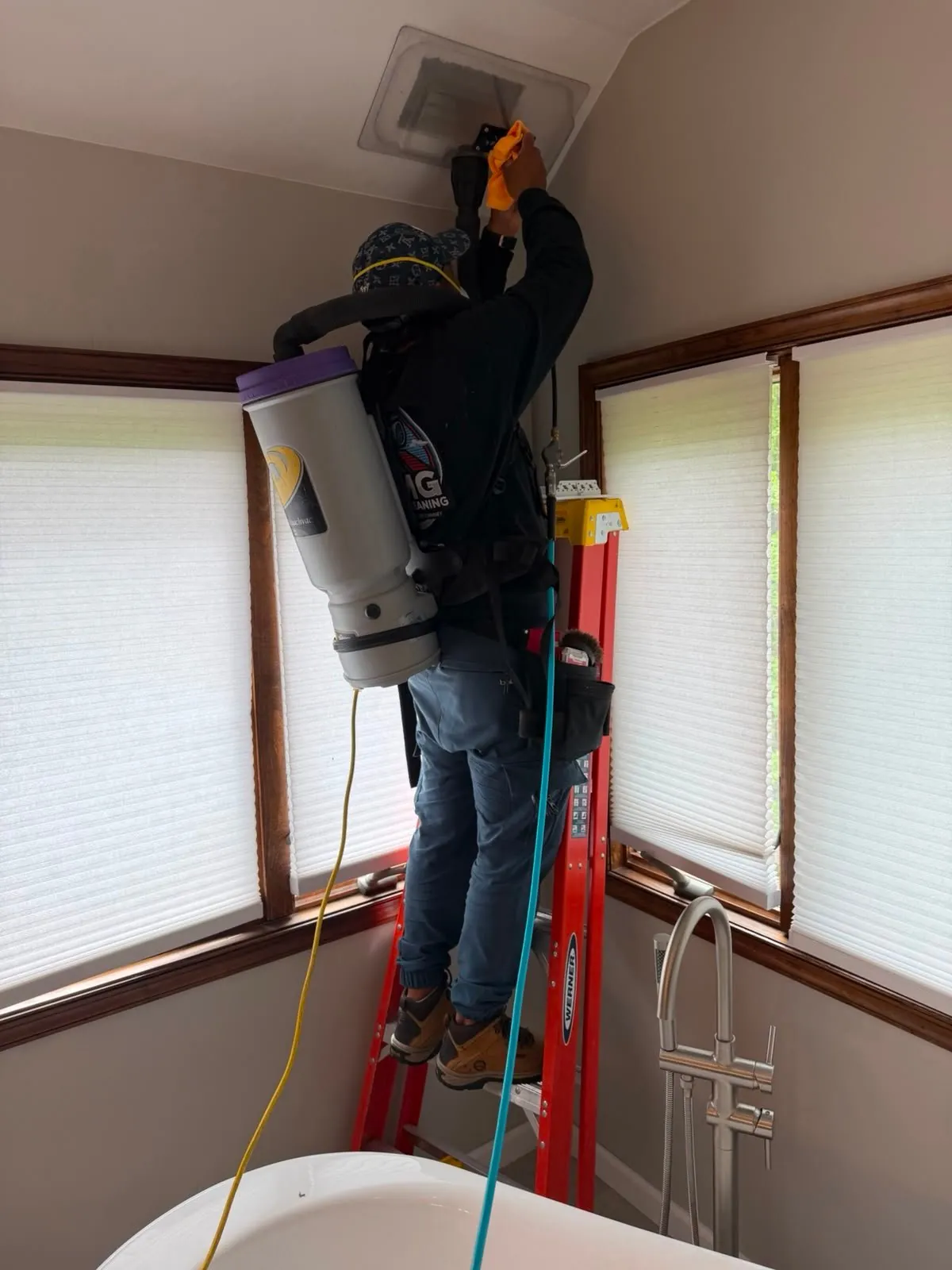
Duct that runs through an open, unfinished basement is far easier to reach than duct tucked into a tight crawl space or a finished attic with one small hatch. New Jersey housing varies a lot here. A raised ranch in Morris County may have every line reachable from the basement, while a house with duct run through a crawl space in Monmouth or Middlesex County takes slow, careful work to reach the same branches. Limited access means more time on site, because the access points have to be opened, worked through, and closed back up.
The amount and type of buildup present
A system that has never been opened since the house was built, common in the older stock across Newark, Elizabeth, and Trenton, holds more dust and debris than a system cleaned a few years back. Homes with shedding pets, homes with a smoker, and homes that went through a renovation with drywall dust drawn into the return all carry a heavier load than a house without those factors. More buildup means more time agitating and clearing each section rather than passing through it.
When the visit turns up more than ducts
Some homes call for a straightforward cleaning and nothing else. Others show something once a technician gets a look inside: a dryer vent that is restricted, a section of duct with a separated joint that calls for air duct repair rather than cleaning, or moisture staining that points toward mold treatment and removal. Handling related work on the same visit saves a second mobilization, and it gives you one picture of the HVAC and ventilation systems instead of three partial ones.
How to prepare for an estimate visit
You can make an estimate visit more accurate with a few facts ready. Know roughly how old the HVAC system is, whether the ductwork has ever been cleaned, and what you have noticed: uneven airflow between rooms, a smell when the blower starts, dust settling again a day after you wipe a sill. If part of the system sits behind limited access, such as a finished attic or a low crawl space, say so when you book, because that changes the tools the technician brings.
Why a look at the system beats a number over the phone
Size, access, buildup, and added work vary so widely from one house to the next that a figure given without seeing the ductwork is a guess wearing a number. AMG gives a free estimate built on a look at your own system. Before that visit, pull one return grille and one supply register and shine a light down each. What you see in those two openings is the single best predictor of how large the job will be.