Every dryer, gas or electric, relies on the same basic idea: pull air through the drum, heat it, and push the resulting hot, moist air out of the house through the vent. Because that mechanism is shared, the two types build lint at similar rates and need the vent cleared on a similar schedule. Where they differ is in what else is moving through that vent alongside the lint, and that difference is worth understanding, especially if your home has a gas dryer.
What Comes Through the Vent
An electric dryer's vent carries hot, moist air and lint, nothing more. A gas dryer's vent carries the same hot, moist air and lint, plus the combustion byproducts created when the appliance burns natural gas or propane to generate heat. That is a further reason for a gas dryer's vent to stay clear, since more than drying time rides on unrestricted airflow.
Why Airflow Matters More With a Gas Dryer
When a vent is restricted, everything trying to leave through it, heat, moisture, and on a gas dryer, combustion byproducts, has a harder time getting outside. That is one reason a drop in airflow on a gas dryer deserves a quicker response than the same drop on an electric dryer. The CPSC points to lint collecting in the exhaust duct as a cause of overheating, and lint is what narrows the run on either fuel type. Have the connection at the appliance checked during a cleaning, not only the vent run, since that connection point matters for a gas dryer in a way it does not for an electric one.
Lint Buildup Itself Does Not Discriminate
The lint side of the equation is essentially the same for both fuel types. A gas dryer and an electric dryer running a similar number of loads through a similar length of vent will build up lint at a comparable pace. The fuel source changes what else is at stake when that buildup restricts airflow, not how quickly the buildup itself happens.
What This Means for Your Cleaning Schedule
Household size, laundry volume, and the length and layout of your vent run remain the main drivers of how often a cleaning makes sense, for gas and electric dryers alike. What changes with a gas dryer is how you should treat warning signs. A slower drying cycle, a burning smell, or a laundry room that feels warmer than usual is worth investigating sooner on a gas dryer, given the added variable of a combustion appliance sharing that same vent path.
New Installations and Fuel Type
If you are installing a new dryer or switching from electric to gas, the vent itself does not need a different material because of fuel type, but the connection at the appliance does need to be set up correctly for whichever fuel you are using. This is worth planning alongside the vent route itself rather than as an afterthought once the dryer is already in place.
What a Cleaning Visit Looks Like for a Gas Dryer
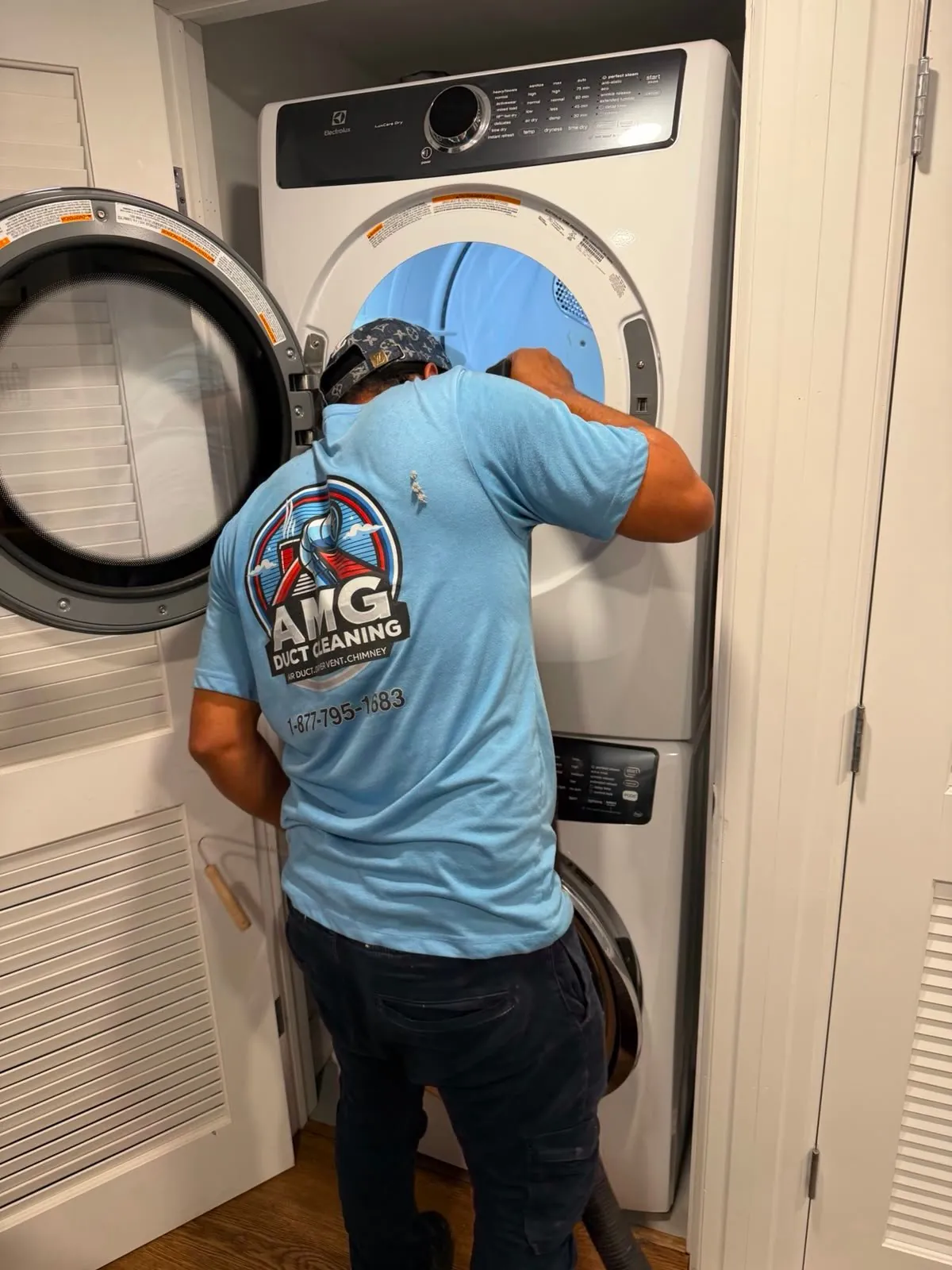
For a gas dryer, a technician will typically pull the appliance away from the wall to access both the vent connection and the flexible gas connector supplying the unit. Clearing the vent run happens the same way it would for an electric dryer, but with the added step of confirming that the connection between the dryer and the gas line looks secure and undamaged before the appliance is pushed back into place. This extra check does not take much additional time, but it is a meaningful difference from servicing an electric unit.
Older New Jersey Homes With Older Gas Dryers
New Jersey has a lot of older housing stock, and an older gas dryer connected to a vent run that has not been inspected in years is a combination worth paying closer attention to. A vent run that has quietly narrowed over time due to lint buildup puts more strain on an older gas appliance than it would on a newer, more efficient one, which is one more reason not to let a gas dryer's vent go too long between cleanings, regardless of how the dryer seems to be running day to day.
Switching From Electric to Gas, or the Reverse
Homeowners switching from an electric dryer to a gas model, or the other way around, often assume the vent has to change with it. In most cases the vent material and route stay where they are. What changes is the appliance connection, its own circuit and outlet for electric, a gas line and connector for gas, and that is worth settling alongside the vent route rather than after the dryer is already shoved against the wall.
Fuel type changes the stakes, not the schedule. Count loads and measure the vent run the same way for either dryer, and treat a long cycle or a laundry room that runs warm on a gas unit as the earlier signal it is. AMG's dryer vent cleaning clears the full run from the transition hose behind the drum out to the termination cap, and on a gas unit the technician looks over the connector at the appliance before the dryer goes back into place.